
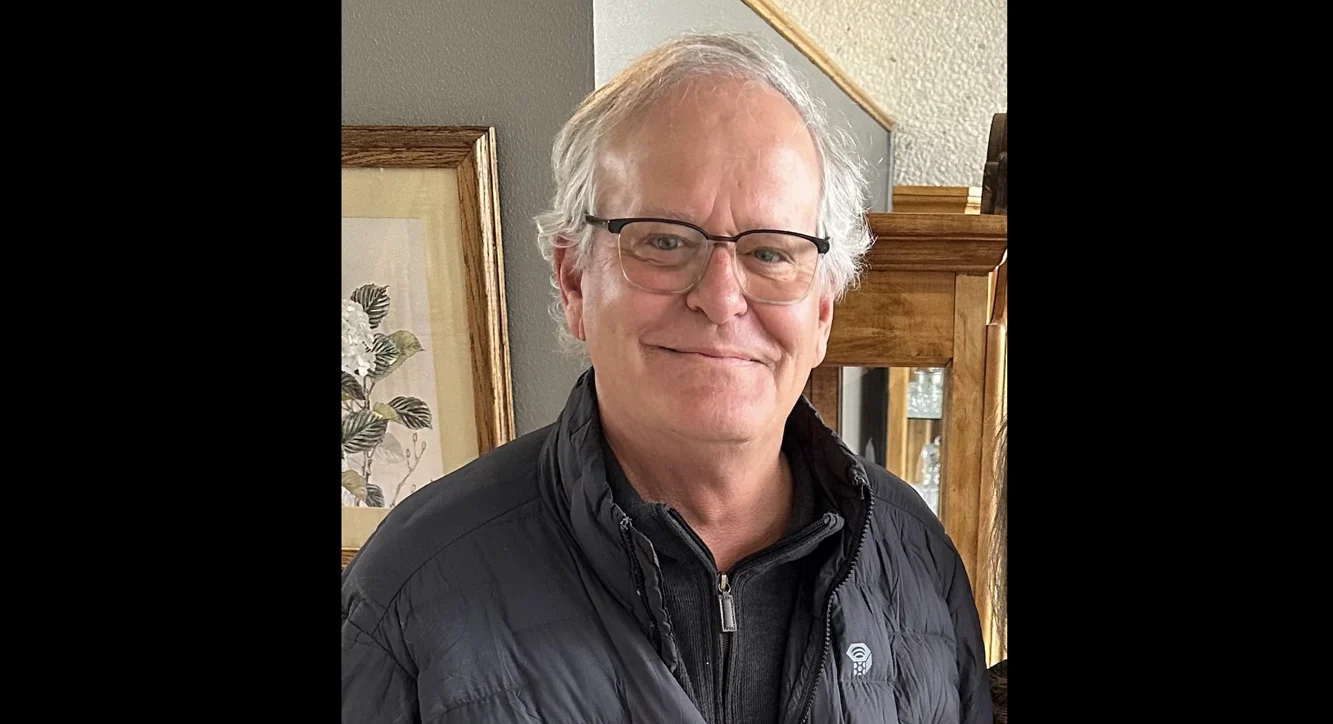
FORT HALL, ID — The flags at the Shoshone-Bannock Tribal Headquarters are flying at half-mast today as the Fort Hall Reservation and the broader Indigenous legal community grapple with the “profound and historic loss” of William “Bill” F. Bacon. A man whose legal brilliance was matched only by his “unwavering dedication” to the Shoshone-Bannock people, Bill Bacon passed away on Thursday, March 26, 2026, following a tragic automobile accident. For 37 years, Bacon stood as a “steadfast guardian” of tribal rights, serving as both a Tribal Judge and General Counsel, leaving behind a legacy that has fundamentally reshaped the legal landscape of Native American sovereignty in the United States.
From the quiet deliberations of tribal council meetings to the hallowed halls of the United States Supreme Court, Bill Bacon was a “tireless advocate” whose work secured the futures of generations yet unborn. His passing marks the end of an era for the Tribes, but his victories remain etched in the very soil and water of the reservation he spent a lifetime protecting.
A Career of Extraordinary Service: From the Bench to General Counsel
Bill Bacon’s journey with the Shoshone-Bannock Tribes was defined by a “commitment that spanned nearly four decades.” A graduate of Northwestern University and the University of Idaho College of Law, Bacon brought a sharp, analytical mind to the complex intersection of tribal, state, and federal law.
He served 12 years as a Tribal Judge, where he was known for his “ethical standards and judicial wisdom,” ensuring that justice within the reservation was administered with both fairness and a deep respect for tribal tradition. However, it was during his 24 years as General Counsel that Bacon truly became the “legal architect” of the Tribes’ modern sovereignty. His peerless reputation earned him the 2023 Martindale-Hubbell Distinguished Attorney Award, a testament to his standing as one of the most respected legal minds in the country.
Restoring the Hunt: The Landmark Victory Over Racehorse
Perhaps the most “monumental achievement” of Bill Bacon’s career was his pivotal role in overturning a century of legal injustice. For decades, the 1896 Ward v. Racehorse decision had been used to strip the Tribes of their off-reservation treaty rights to hunt, fish, and gather—rights explicitly promised in their treaties with the U.S. government.
Bacon played a key role in the landmark United States Supreme Court case that eventually overturned Racehorse, effectively restoring these essential rights to the Shoshone-Bannock people. This victory was not merely a legal win; it was a “restoration of cultural identity,” allowing tribal members to return to their ancestral lands to practice the traditions of their forefathers without fear of state interference. He successfully defended these rights in multiple Idaho Supreme Court cases, ensuring that the victory remained “ironclad and protected.”
A Guardian of Sovereignty and the Environment
Bill Bacon’s legal reach extended into the complex realms of taxation and environmental justice. He secured a multi-million-dollar fuel tax case that affirmed the Tribes’ sovereign authority to manage their own economic resources—a victory that provided “essential funding” for tribal programs and infrastructure.
Furthermore, Bacon served as lead counsel in the “unprecedented” FMC Corporation case. This landmark litigation upheld a multi-million-dollar annual judgment related to the storage of hazardous waste on the reservation. The outcome remains a “unique milestone in U.S. legal history,” proving that a sovereign tribal nation could successfully hold a multi-national corporation accountable for the environmental health of its lands.
“Bill was more than just a lawyer,” said Chairwoman Donna Thompson. “He was a steadfast guardian of our future. His legacy is written in every acre of land he protected and every treaty right he restored. He was a dear friend to our people and a titan of justice.”
Beyond the Law: A Connection to the Spirit
While his professional accolades were numerous, Bill Bacon was also deeply respected for the way he “embraced the cultural values” of the Shoshone-Bannock people. He was not merely an outsider representing a client; he was a man who sought a “genuine spiritual connection” to the community he served.
Bacon was a participant in traditional ceremonies, including the sweat lodge and the Sundance, demonstrating a level of cultural immersion and respect that endeared him to tribal elders and youth alike. This “balance of legal excellence and cultural humility” made him a unique figure in the world of Indian Law—a man who understood that the letter of the law was most powerful when it was informed by the “spirit of the people.”
A Family Man and a Community in Mourning
Despite the “monumental weight” of his professional responsibilities, Bill Bacon’s life was centered on the love and support of his family. He is survived by his wife, Lisa, and their three daughters. His family has been described as the “foundation of his strength,” providing the balance he needed to navigate the high-stakes world of federal litigation.
As news of the fatal accident spread through Fort Hall and the legal community, a “wave of profound grief” has followed. “Bill’s passing is a shock that we are still trying to process,” one colleague noted. “He was a man of such vitality, such intelligence. To lose him in an automobile accident is a tragedy of the highest order. He had so much more to give, yet he gave more in 68 years than most could in three lifetimes.”
Honoring the Legacy of Bill Bacon
The Shoshone-Bannock Tribes are currently finalizing memorial arrangements to honor the man who “dedicated his life to their future.” In the coming days, leaders from across Indian Country are expected to travel to Fort Hall to pay their respects to a man whose “legal fingerprints” are on nearly every major victory for tribal sovereignty in the Pacific Northwest over the last 40 years.
His legacy will continue to guide the Tribes as they navigate future challenges. The “resources he secured and the rights he protected” stand as a permanent monument to his life’s work. Bill Bacon was a man who understood that sovereignty is not given, it is defended—and he defended it with a brilliance and a heart that will never be forgotten.
Rest in peace, Bill Bacon. You were a warrior of the law, a champion of the people, and a “steadfast guardian” whose light will continue to shine across the Shoshone-Bannock nation forever.
Leave a Reply